Material and meaning
Paper is considered not simply as a surface, but as form, space, and a bearer of cultural memory.

Independent Curatorial Review
The Visual Philosophy of Islamic Paper-Cutting Art
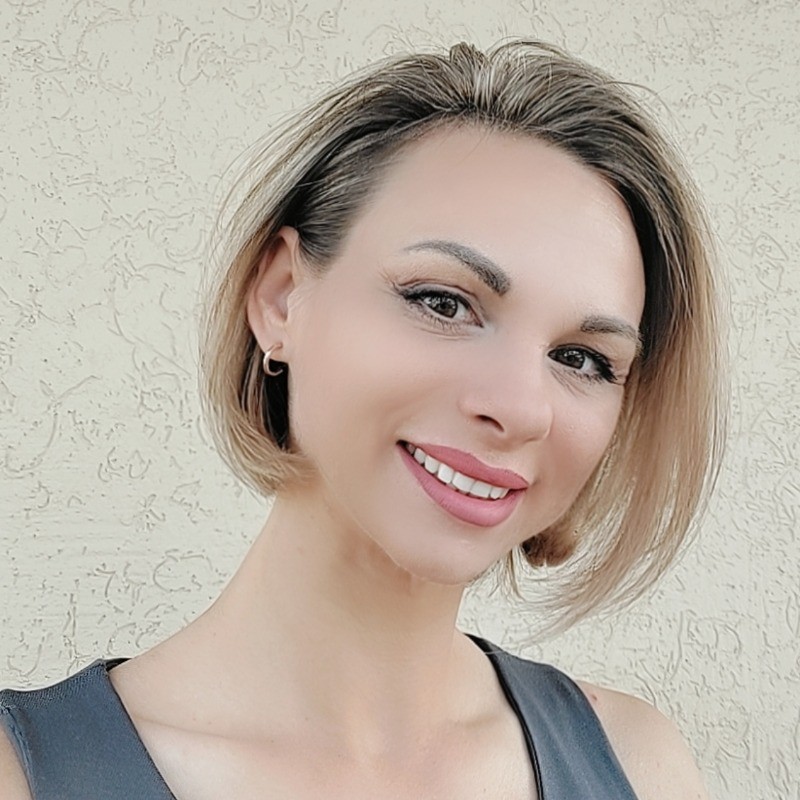
Written by
Daria Belykh
Artist · Curator · Researcher
Education
Казанский национальный исследовательский технологический университет
Специалист, Инженер-технолог
Curatorial position
The review positions Tusif Ahmad’s practice at the intersection of contemporary Islamic art, paper sculpture, contemporary calligraphy, object-based art, and culturally grounded artistic practice.
It considers how the artist transforms paper from a simple material into a space for artistic reflection, using calligraphy, ornament, light, geometry, and the void to connect cultural heritage with contemporary perception.
“Tusif Ahmad creates art in which an ancient language of symbols acquires a contemporary resonance.”
Artistic assessment
Paper is considered not simply as a surface, but as form, space, and a bearer of cultural memory.
Calligraphy becomes rhythm, structure, architecture, and a field of contemporary artistic inquiry.
Open space, shadow, and illumination become active parts of how each artwork is experienced.
The practice connects Islamic artistic heritage with themes of harmony, identity, memory, and shared human values.
Review contents
The complete 18-page document includes historical context, critical analysis, close readings of key works, international positioning, and recommendations for future exhibition development.
Final recommendation
“Tusif Ahmad’s practice is recommended for presentation within international contemporary-art exhibition projects, provided that it is supported by a considered curatorial framework capable of revealing not only the cultural foundations of the works, but also their contemporary artistic significance.”
Original document
The original English curatorial review is presented below in full. You can also download a copy for reading, reference, or exhibition enquiries.